

Medical emergencies can happen without warning. A serious accident, stroke, sudden illness, or diagnosis can leave someone temporarily or permanently unable to make decisions for themselves.
During these stressful situations, families often assume they will automatically be able to step in and help. Unfortunately, this is not always the case.
A Lasting Power of Attorney (LPA) is one of the most important legal documents you can put in place to ensure your loved ones can act on your behalf when it matters most.
What Is a Lasting Power of Attorney?
A Lasting Power of Attorney allows you to appoint trusted individuals, known as attorneys, to make decisions for you if you are unable to do so yourself.
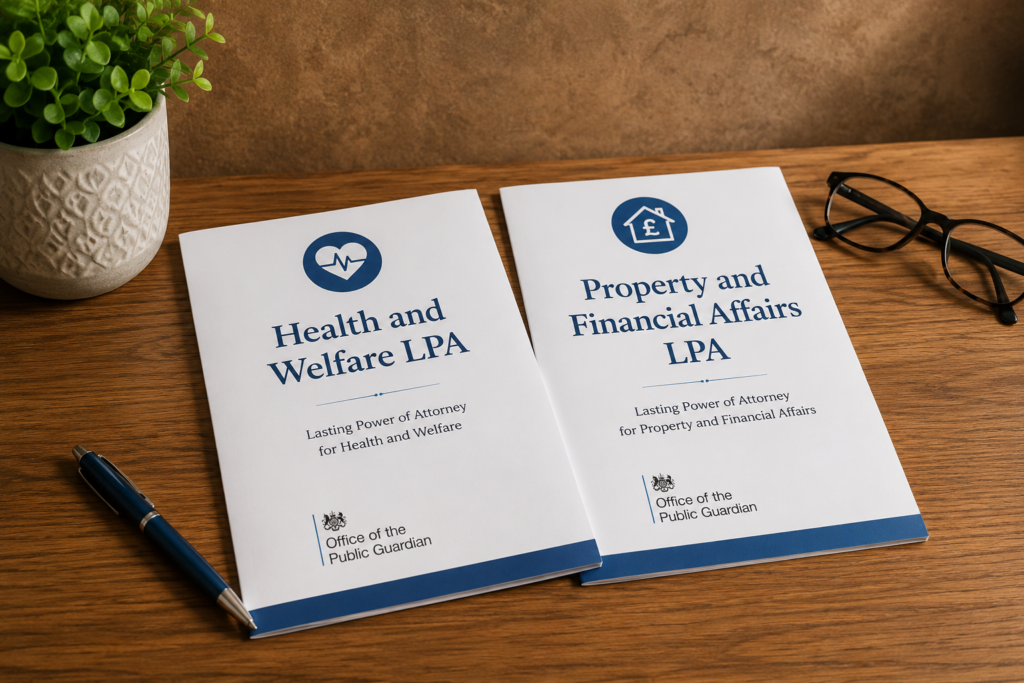
There are two types of LPA:
- Health and Welfare LPA – Covers decisions about medical treatment, care arrangements, and daily wellbeing.
- Property and Financial Affairs LPA – Covers financial matters such as paying bills, managing bank accounts, and handling property.
Together, these documents help ensure that important decisions can continue to be made when you are unable to make them yourself.
Why Medical Emergencies Create Challenges
In a medical emergency, decisions often need to be made quickly.
Without the appropriate legal authority, family members may face difficulties when trying to:
- Discuss treatment options with healthcare professionals
- Access medical information
- Make care decisions
- Manage household finances during recovery
- Arrange suitable long-term care if needed
Even close relatives do not automatically have the legal right to make decisions on behalf of another adult.
How a Health and Welfare LPA Helps
A Health and Welfare LPA allows your chosen attorney to make decisions about:
- Medical treatment
- Care home arrangements
- Daily care and support
- Living arrangements
- Life-sustaining treatment (if authorised)
This ensures that decisions are made by someone who understands your wishes, values, and preferences.
For families, it can provide reassurance during difficult and emotional circumstances.
How a Financial LPA Supports Recovery
Medical emergencies often create financial challenges as well as health concerns.
A Property and Financial Affairs LPA allows your attorney to:
- Pay household bills
- Manage bank accounts
- Handle mortgage or rent payments
- Deal with pensions and benefits
- Communicate with financial institutions
Without an LPA, family members may struggle to access funds needed to support your care and day-to-day living expenses.
What Happens Without an LPA?
If someone loses mental capacity without an LPA in place, loved ones may need to apply to the Court of Protection for authority to act on their behalf.
This process can be:
- Time-consuming
- Expensive
- Administratively complex
- Stressful during an already difficult period
It may take months before decisions can legally be made, potentially causing delays when support is needed most.
Providing Peace of Mind for the Whole Family
An LPA is not just about legal protection—it is about reducing uncertainty during challenging times.
By planning ahead, you can:
- Ensure your wishes are respected
- Choose who will make decisions for you
- Reduce stress for your family
- Avoid unnecessary delays and complications
- Protect your financial and personal wellbeing

Final Thoughts
Medical emergencies rarely arrive with warning. Having a Lasting Power of Attorney in place ensures that the people you trust can step in when needed and make important decisions on your behalf.
Planning ahead today can provide clarity, security, and peace of mind for both you and your loved ones when they need it most.