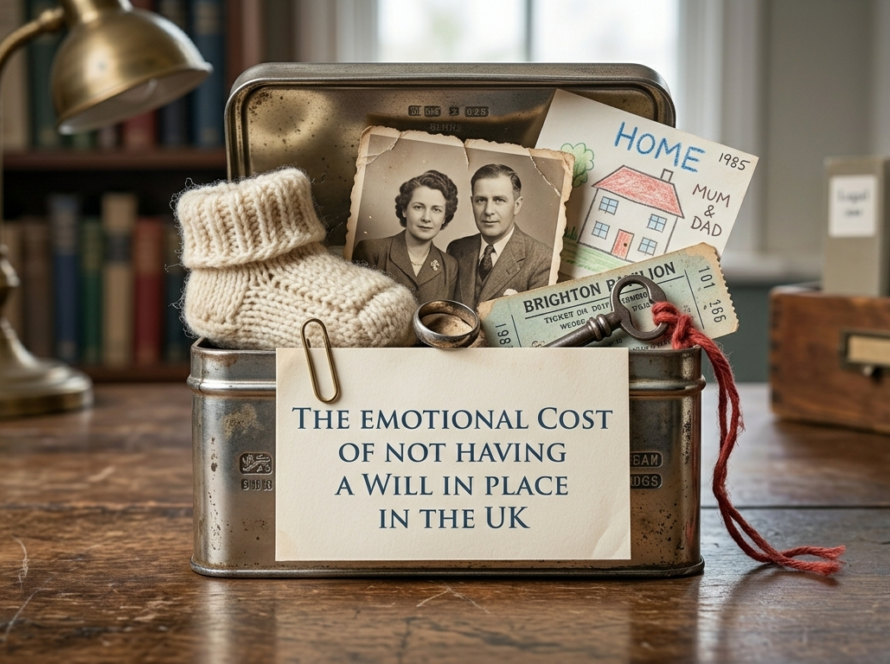
What Really Happens If You Die Without a Will?
Most people assume their family will automatically inherit everything if they pass away.
Unfortunately, that is not always true.
In the UK, dying without a valid Will is known as dying intestate — and the consequences can be far more serious than many people realise.
Every year, families face unnecessary stress, legal complications, financial delays, and emotional disputes simply because proper plans were never put in place.
The shocking truth is this:
If you die without a Will, you lose control over who inherits your estate.
Instead, the law decides for you.
What Does “Intestate” Mean?
When someone dies intestate, strict legal rules called the Rules of Intestacy determine:
- Who inherits your money and property
- Who manages your estate
- How assets are distributed
These rules do not consider:
- Your personal wishes
- Verbal promises
- Family dynamics
- Unmarried relationships
- Emotional circumstances
The law follows a fixed order — whether it reflects your intentions or not.
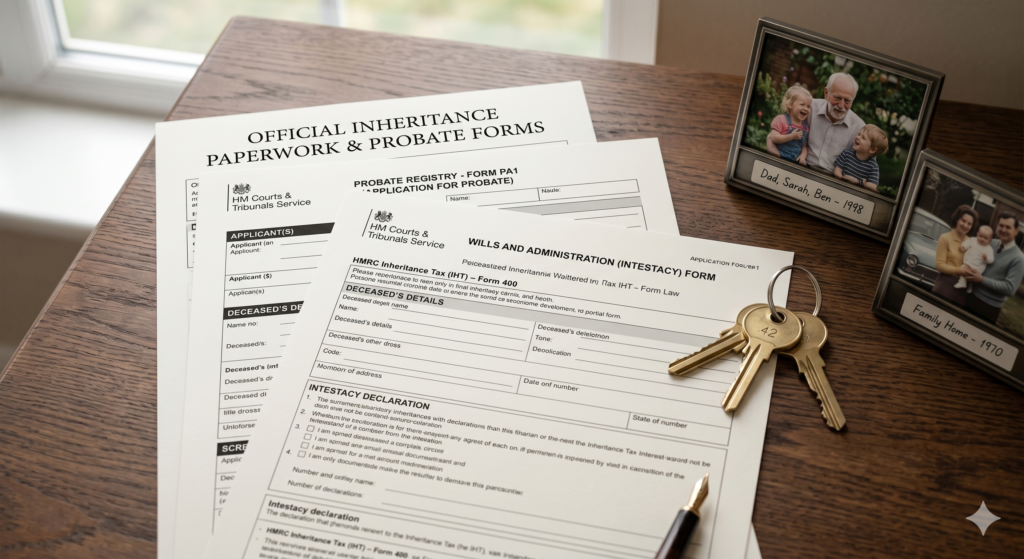
Unmarried Partners May Receive Nothing
One of the biggest misconceptions in the UK is the belief in “common law marriage.”
There is no legal status called a common law spouse in inheritance law.
This means that if you are not married or in a civil partnership:
- Your partner may receive nothing
- They may have no automatic inheritance rights
- They could face financial hardship or legal battles
Even if you:
- Lived together for many years
- Shared bills and responsibilities
- Raised children together
- Owned a life together
…the law may still not recognise your partner as a beneficiary without a Will.
Your Children’s Future Could Become Complicated
If you have children under 18 and no Will:
- You may not have legally appointed guardians
- The courts may become involved
- Family disagreements can arise
- Financial arrangements may become more difficult
A Will allows you to clearly state:
- Who should care for your children
- Who manages money on their behalf
- How inheritance should be protected
Without one, important decisions could be left to others.
Family Disputes Become More Likely
Sadly, uncertainty often creates conflict.
When no Will exists:
- Families may disagree over assets
- Relationships can break down
- Delays in probate can occur
- Legal costs may increase
What could have been a clear and organised process can quickly become emotionally exhausting for loved ones.
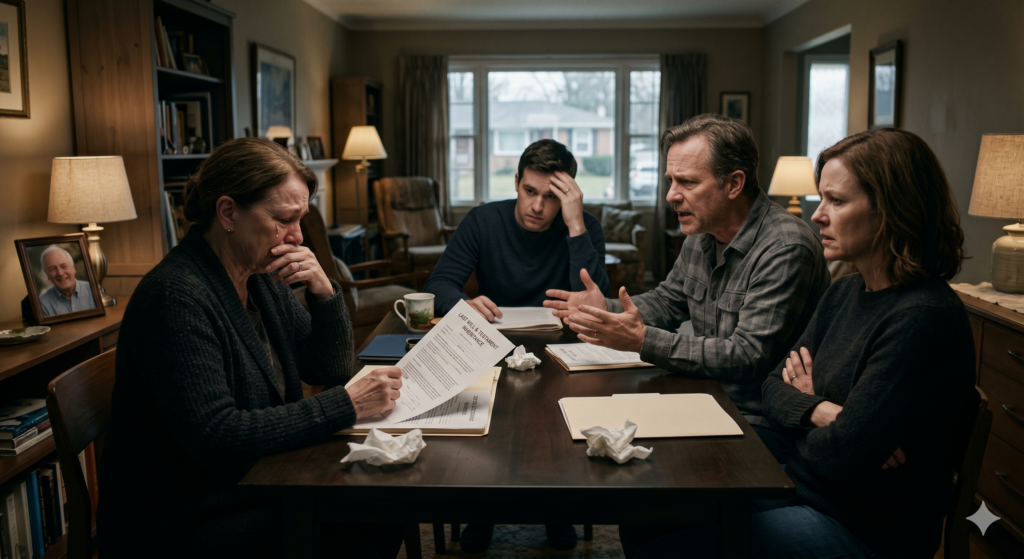
Your Estate May Not Go Where You Intended
Many people assume:
“Everything will automatically go to my spouse.”
“My children will sort it out fairly.”
“My family knows what I want.”
But intestacy law follows legal formulas — not personal intentions.
Certain relatives may inherit before others, and some people you deeply care about may receive nothing at all.
Writing a Will Gives You Control
A valid Will allows you to:
- Decide who inherits your estate
- Protect your partner and children
- Appoint guardians
- Choose trusted executors
- Reduce confusion and disputes
- Make your wishes legally clear
It provides certainty at a time when your loved ones will need it most.
It’s Not Only About Wealth
Many people think Wills are only for the wealthy.
In reality, if you have:
- Children
- Property
- Savings
- A partner
- Personal belongings
- Business interests
…then you already have reasons to put proper legal plans in place.
A Will is not just about money — it’s about protecting the people you leave behind.

Final Thoughts
Dying intestate can leave families facing unnecessary stress, uncertainty, and financial difficulty at one of the hardest moments in life.
The reality is simple:
If you do not make the decisions now, the law will make them for you.
Writing a Will ensures your wishes are respected, your loved ones are protected, and your estate is handled according to your intentions — not legal assumptions.
Protect your family. Protect your wishes. Don’t leave important decisions to chance.